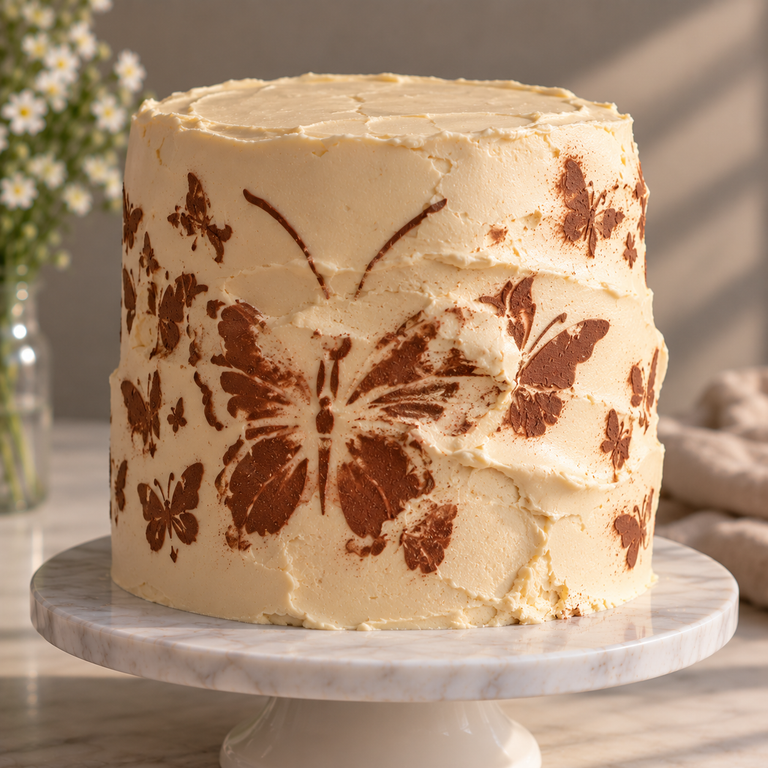
Struggling with messy cake and cookie designs? Learn how to use stencils for cakes and cookies to create clean, professional results every time.
M Stencils Team
30 June 2026
4 min Read time
Decorating cakes and pastries by hand can go wrong with just one small mistake. One uneven line in the icing and the whole look feels off. That is exactly why more professional decorators are working stencils for cakes and cookies into their process, not as a shortcut for beginners, but as a way to get precision that is hard to repeat by hand from one cake to the next.
In this guide we walk through two real collaborations where damask cake stencils were used, each tailored to a different goal, along with concrete steps, a materials list and answers to the questions decorators ask us most.
Two Stories, Different Damask Stencils
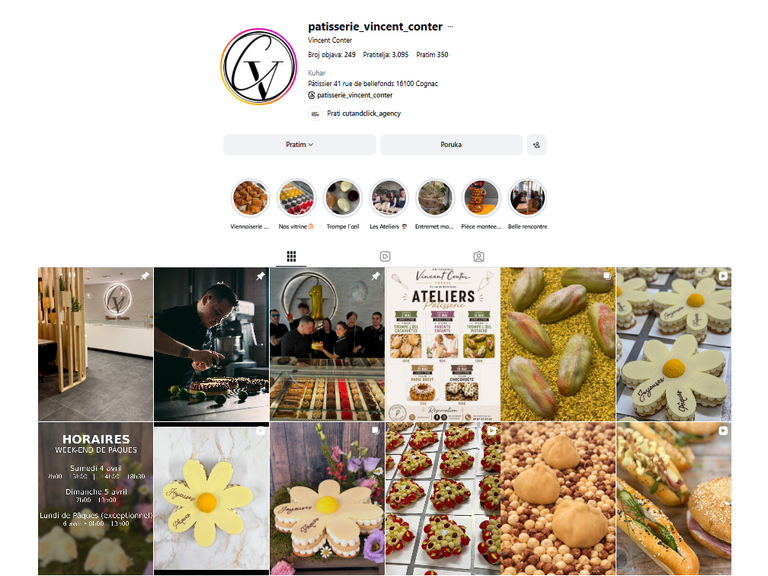
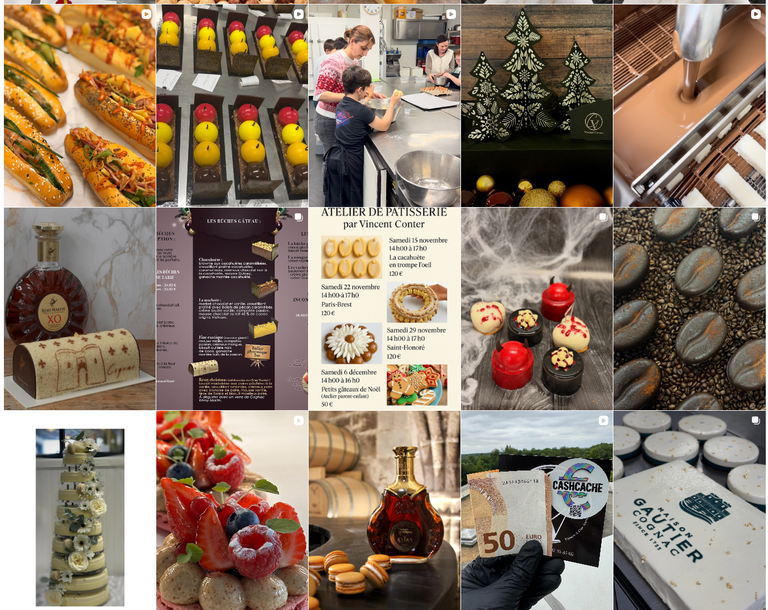
The Simple Approach: A Pastry Chef in Cognac, France
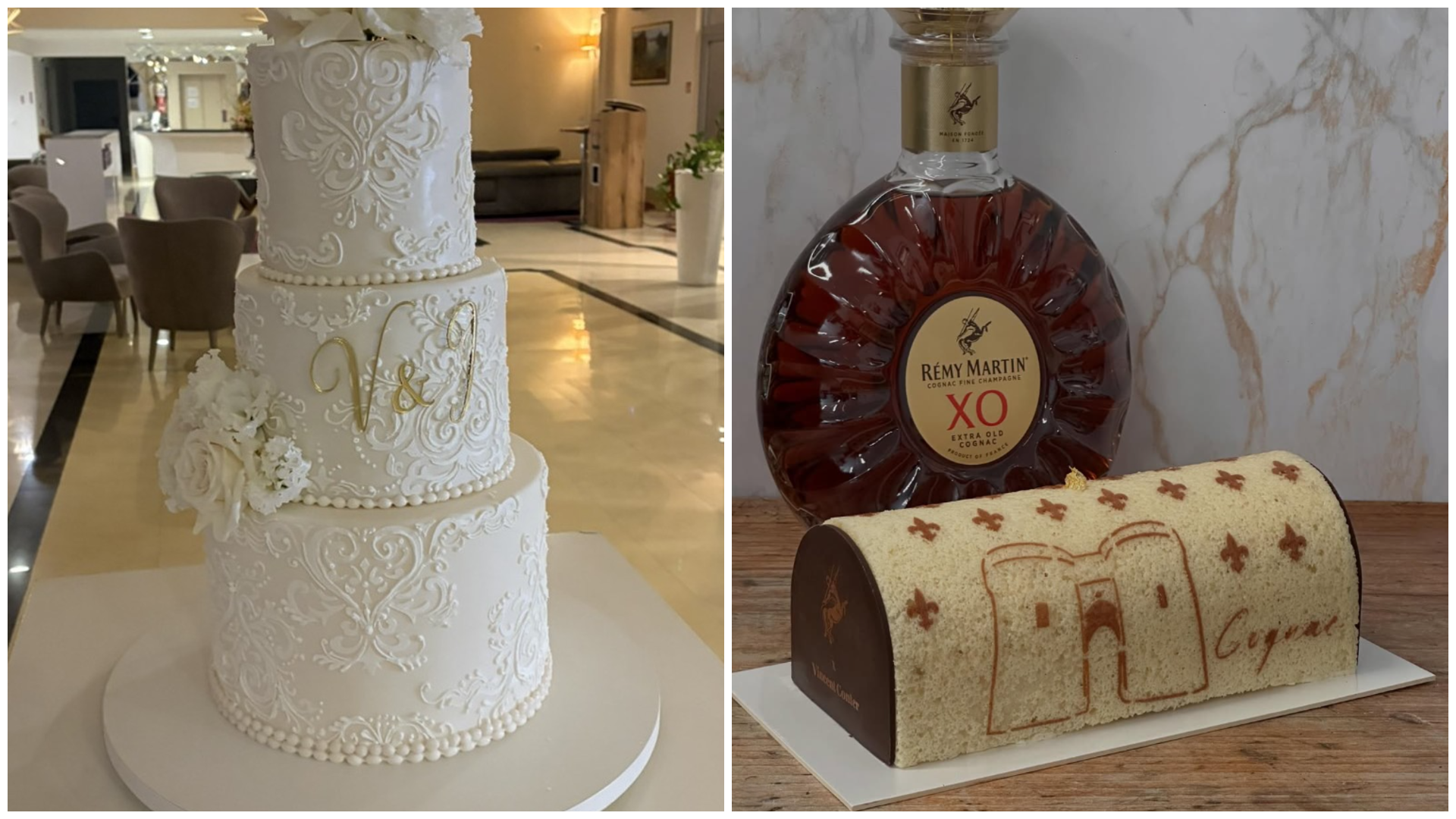
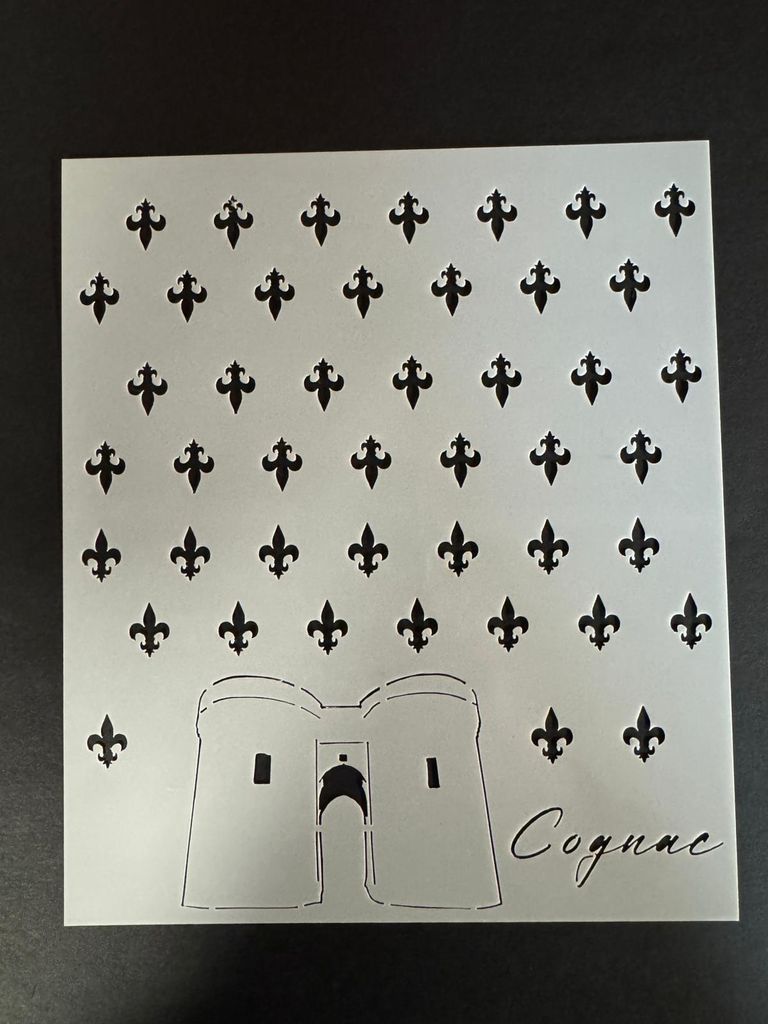
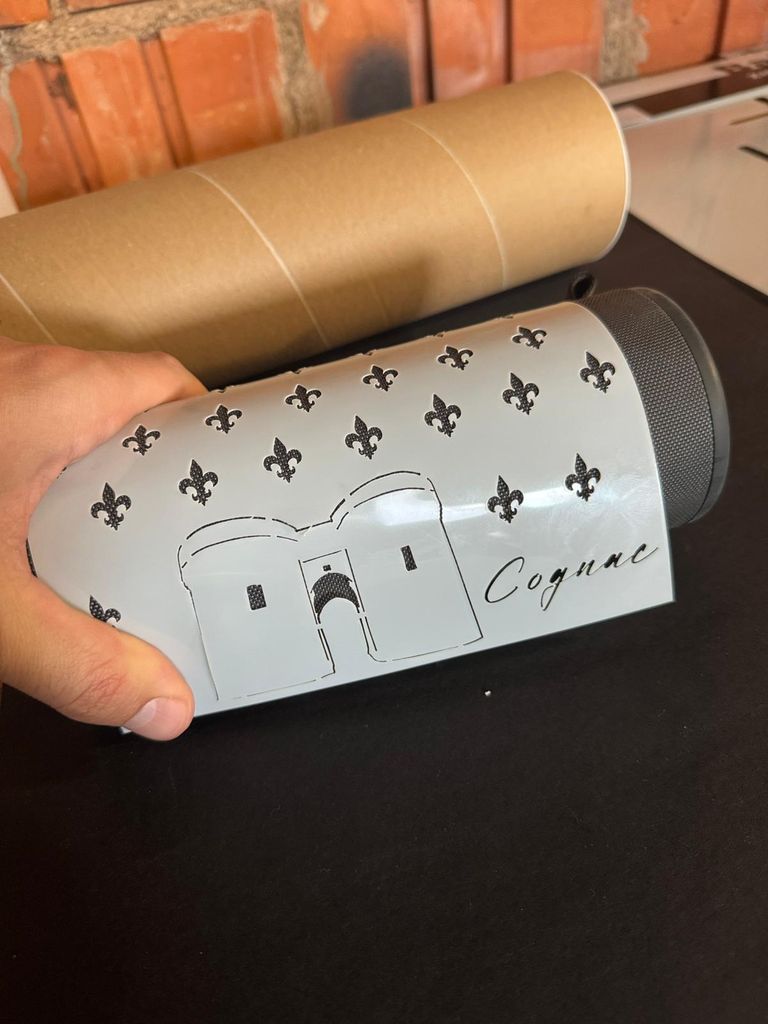
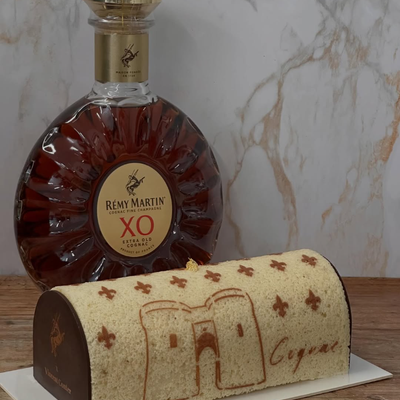
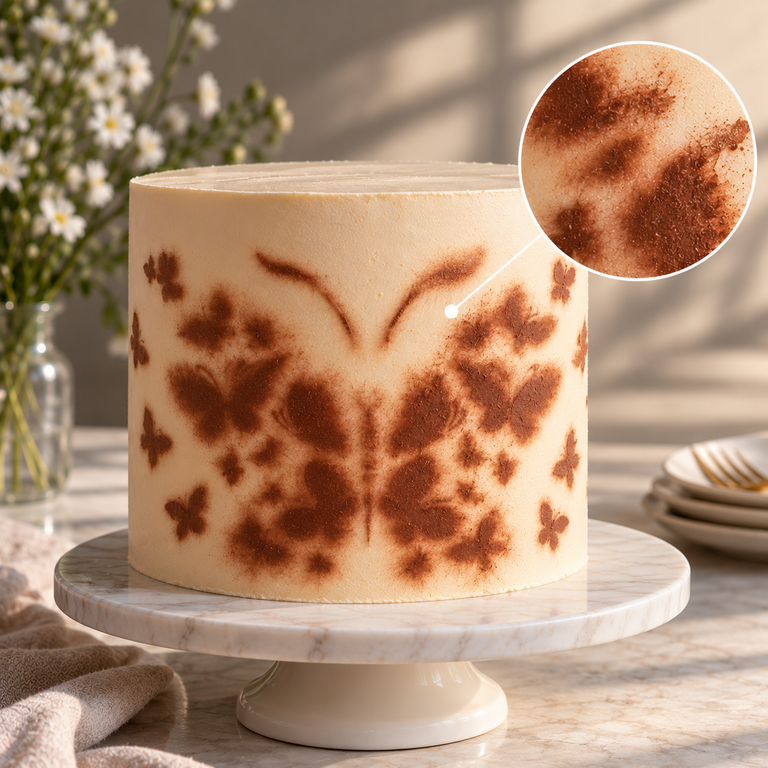
The idea behind this project was simplicity. The pastry chef in Cognac was not after a loud decoration, but a pattern that could sit on the surface of the dessert without taking it over. We created a stencil that combined a repeating fleur-de-lis motif, a central visual element (the silhouette of a recognizable local building), and discreet lettering, similar to a cake stencil letters set, only rendered more simply.
The result was quiet, almost easy to miss at first glance, but it gave the dessert a clear identity. For this project we made a finer, less dense damask stencil, and the pattern was applied with a light dusting, a technique that professional cake decorating schools such as Wilton describe as the gel transfer method: the design is first transferred through the stencil, then finished as needed.
The Full Relief Approach: A Cake Maker in Croatia
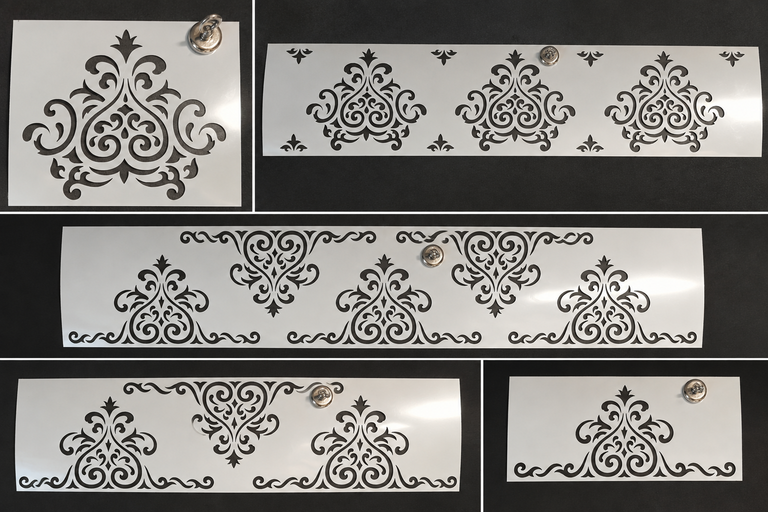
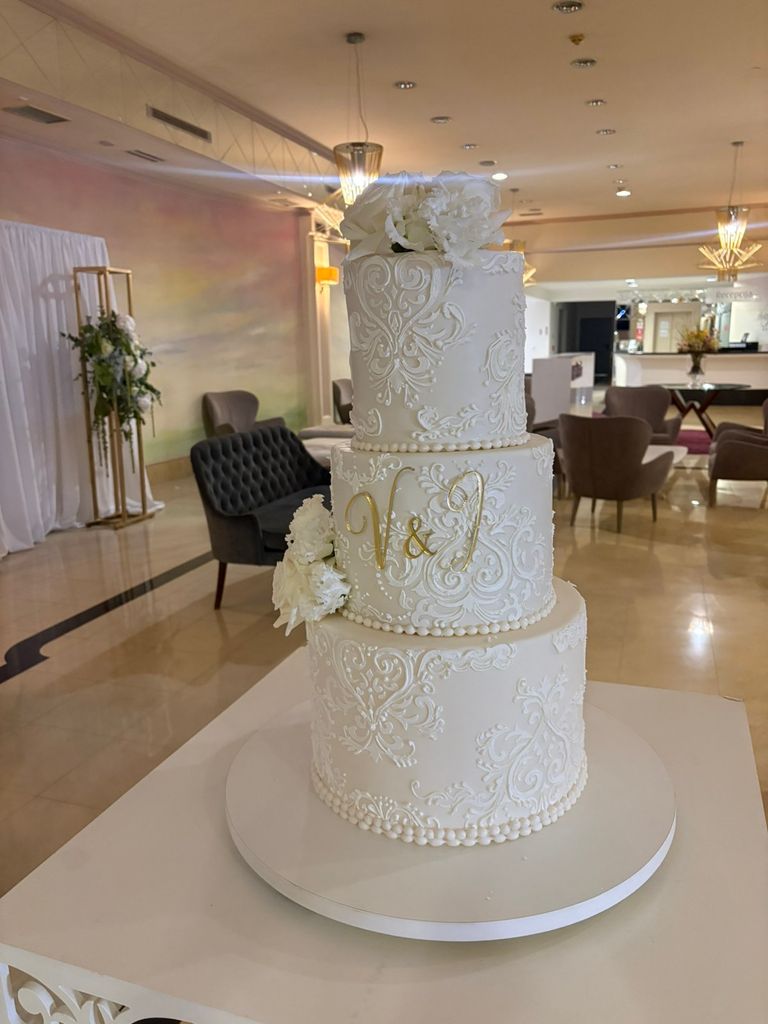
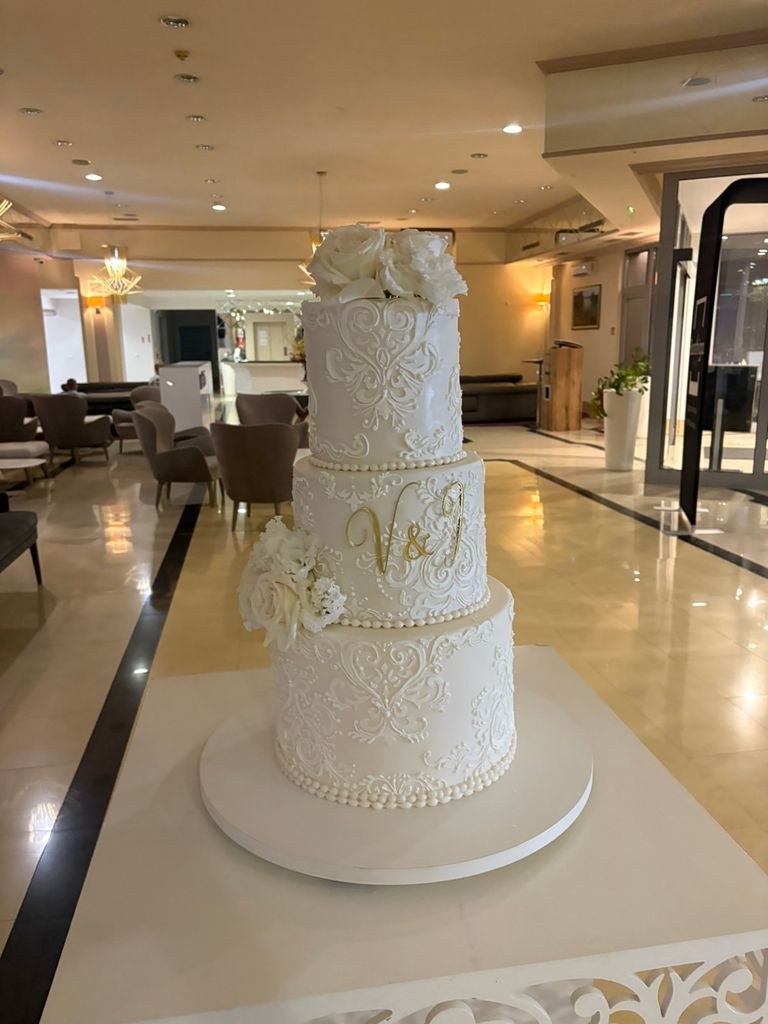
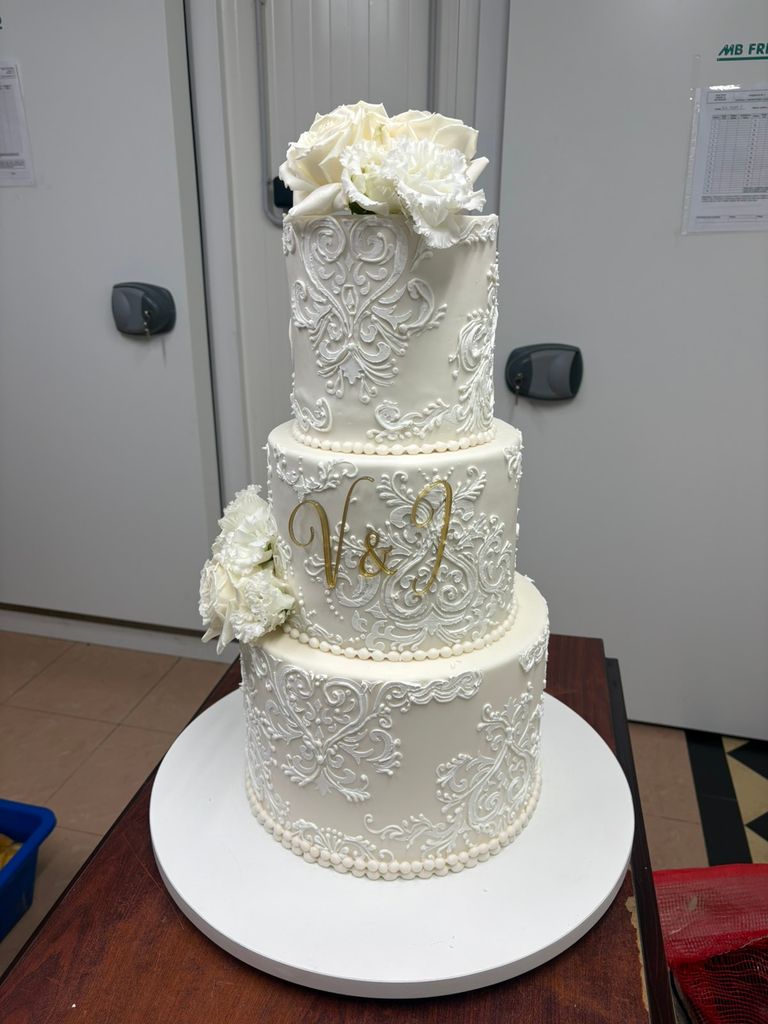
A contrasting example came from a cake maker in Croatia, from Baranja, a region in the east of the country, who makes a wide range of cakes and pastries, wedding cakes included. For a three-tier wedding cake with gold monogram initials, we made several denser, more pronounced damask stencils, one for each tier, using food-safe mylar foil at 0.3mm thick, thin enough to follow the curve of each tier, sturdy enough to hold the sharpness of the lace-like detail.
Unlike the simple approach from Cognac, here the pattern covered the entire surface of each tier in a raised buttercream stencil style, lace-like and detailed, becoming the main visual element of the cake rather than a discreet detail. Two very different stories, depending on pattern density, application technique and coverage.
What connects both examples is that the stencil, whatever the pattern, was never used as an off-the-shelf fix. It was a tool shaped around each decorator's specific goal.
How to Use a Stencil for Cake Decorating, Step by Step
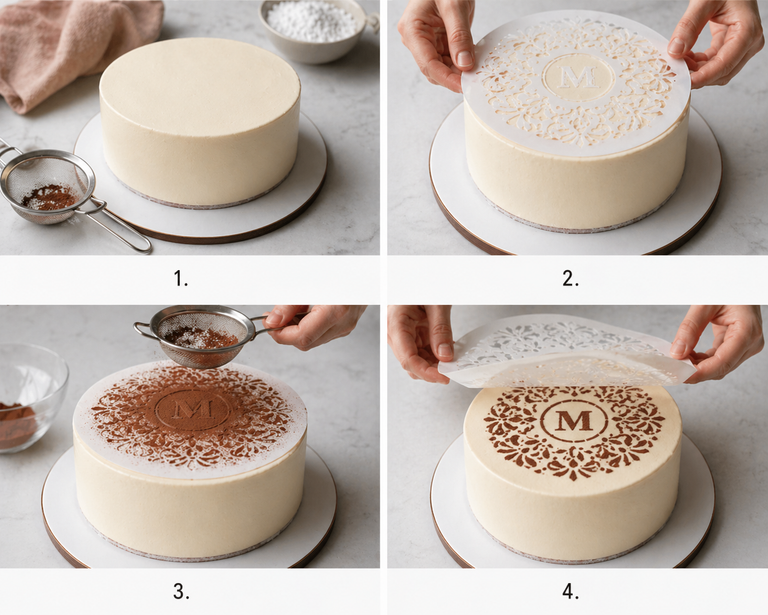
1. Prepare the surface
The cake should be smooth and lightly chilled. If the icing is too soft, the stencil will shift or stick instead of leaving a clean print.
2. Position the stencil
Place it directly on the cake and make sure it sits flat, with no air gaps. Any gap between the stencil and the surface will affect the final result.
3. Choose your application technique
Depending on the effect you want, use powdered sugar or cocoa for a simple, dusted look (as in the Cognac example), or a buttercream stencil technique with royal icing for a fuller, raised look (as in the Croatian example). The key is restraint, less is almost always better on the first try.
4. Remove the stencil slowly
Lift it off evenly, with no sudden movement, so the edges of the pattern do not smudge.
5. Clean and store the stencil
Mylar foil washes easily with water and can be reused countless times, so it is worth washing and drying it right after use rather than letting icing residue dry on it.
What You Will Need
A baked and cooled cake, ideally chilled slightly beforehand
A cake stencil sized to fit each tier
Powdered sugar, cocoa, buttercream or royal icing, depending on the technique
A fine sieve or duster for even application
Wig pins or toothpicks to hold the stencil in place, if needed
A flat, clean work surface
Common Mistakes When Using Cake Stencils
A cake that is too soft or too warm: the pattern spreads and edges blur instead of staying sharp
Removing the stencil too fast: causes smudging and loss of detail in the pattern
Too much product at once: instead of a clean pattern you get a thick, unreadable layer
A stencil that does not follow the curve of the cake: use a flexible enough material, such as thinner mylar foil, for tiers with a pronounced curve
Frequently Asked Questions
Can the same stencil be used on more than one cake?
Yes. Mylar foil is built to handle repeated washing and use without losing the sharpness of the pattern.
Which technique is better, dusting or raised icing?
It depends on the goal. Dusting gives a simpler, more understated look, as in the Cognac example. Raised icing gives a bolder, more decorative result, as in the Croatian example. Both techniques work with the same type of stencil.
Does a stencil work on tall, curved cake tiers?
Yes, as long as it is made from a flexible enough material. Thinner mylar foil adapts to curves more easily than stiffer plastic.
Should the stencil be secured before applying icing?
For larger or heavier stencils, it helps to hold it lightly in place with pins so it does not shift during application.
Whether you are after a simple detail or a fully covered, raised surface, the same type of stencil can do both jobs, it just comes down to adjusting the pattern density and application technique to the result you want.
If you would like your own damask stencil sized to your cake, check out our damask stencils or get in touch with us for a custom design.